Table of Contents
If on the various other hand you're trying to place your login web page for "example brand login", that is fine. Google isn't going to rank web pages exclusively based on key words density.
If you can make the best web content after that all you can do is really hope that Google agrees.
I ranked my first piece of content # 1 on Google with zero SEO knowledge. Just a simple system anyone can follow. Many Search engine optimization overviews sound like this: "Enhance your meta summaries, construct premium backlinks, boost your domain authority, fix your file ..." Gobbledygook that makes you desire to quit before you start.
Google Ranking Service For Startups
Google's # 1 task is to please the searcher. If your material does that much better than every person else's, you'll rate.
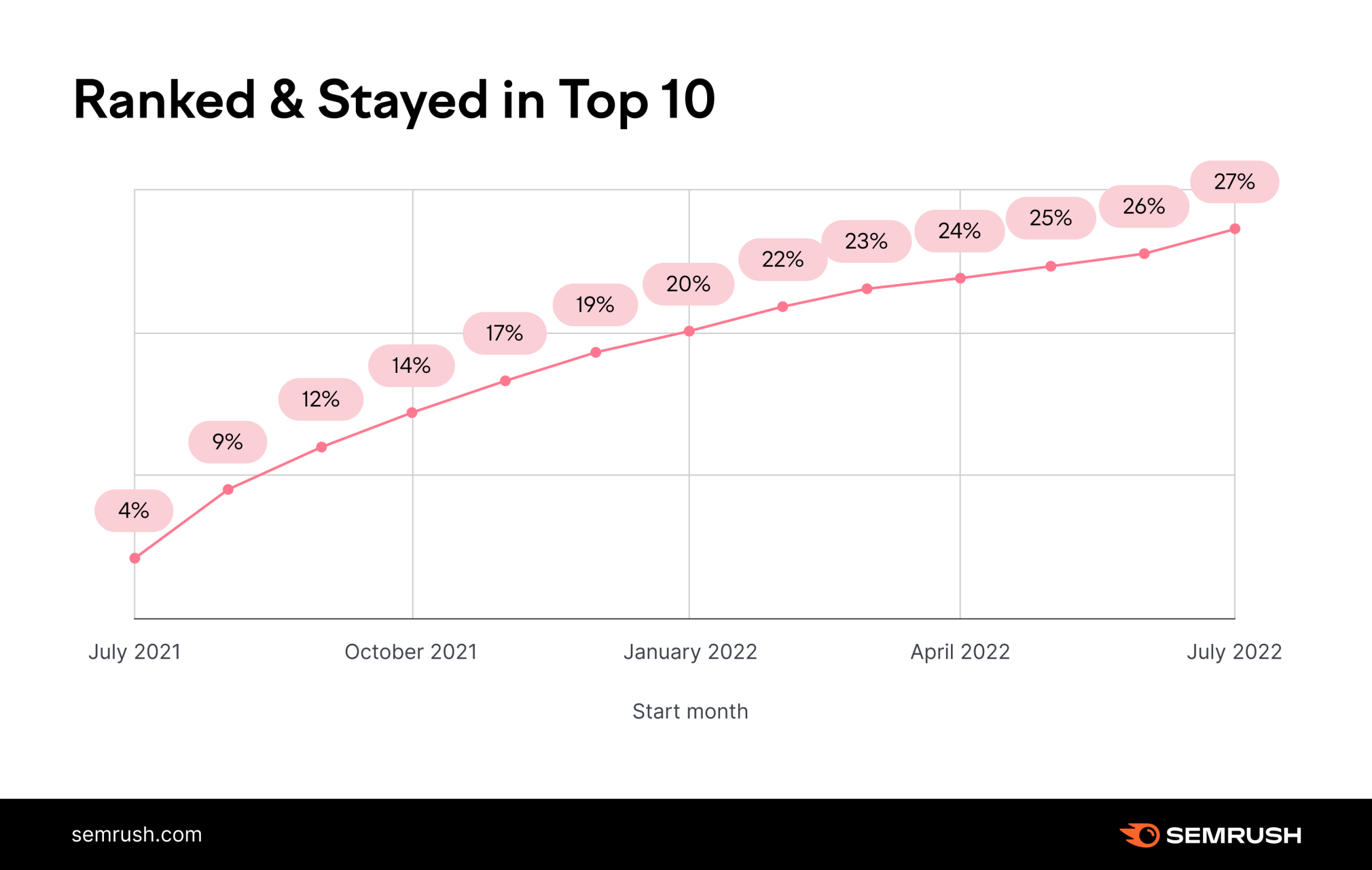
Everything else is simply optimization around the sides. Set up articles to 9 platforms in just 60 seconds No search engine optimization tools (could not manage them) Brand name new internet site (no authority) No back links (really did not even know what they were) No "domain competence" according to Google Ranked # 1 for "social networks scheduling tools contrast" (2,400 regular monthly searches) 847 site visitors in the first month 23 e-mail signups from that solitary blog post Zero bucks spent on advertisements I quit attempting to video game Google and started concentrating on the viewers.
Start with real inquiries from genuine people. r/entrepreneur, r/smallbusiness Browse your topic + filter by "most followed" Industry-specific neighborhoods On competitor videos What issues do items fix? Repeating inquiries Objections and issues What people ask you Kind your topic + "exactly how" On Google search results Try to find questions that show up 10+ times in various places.
Google Ranking Service For Startups
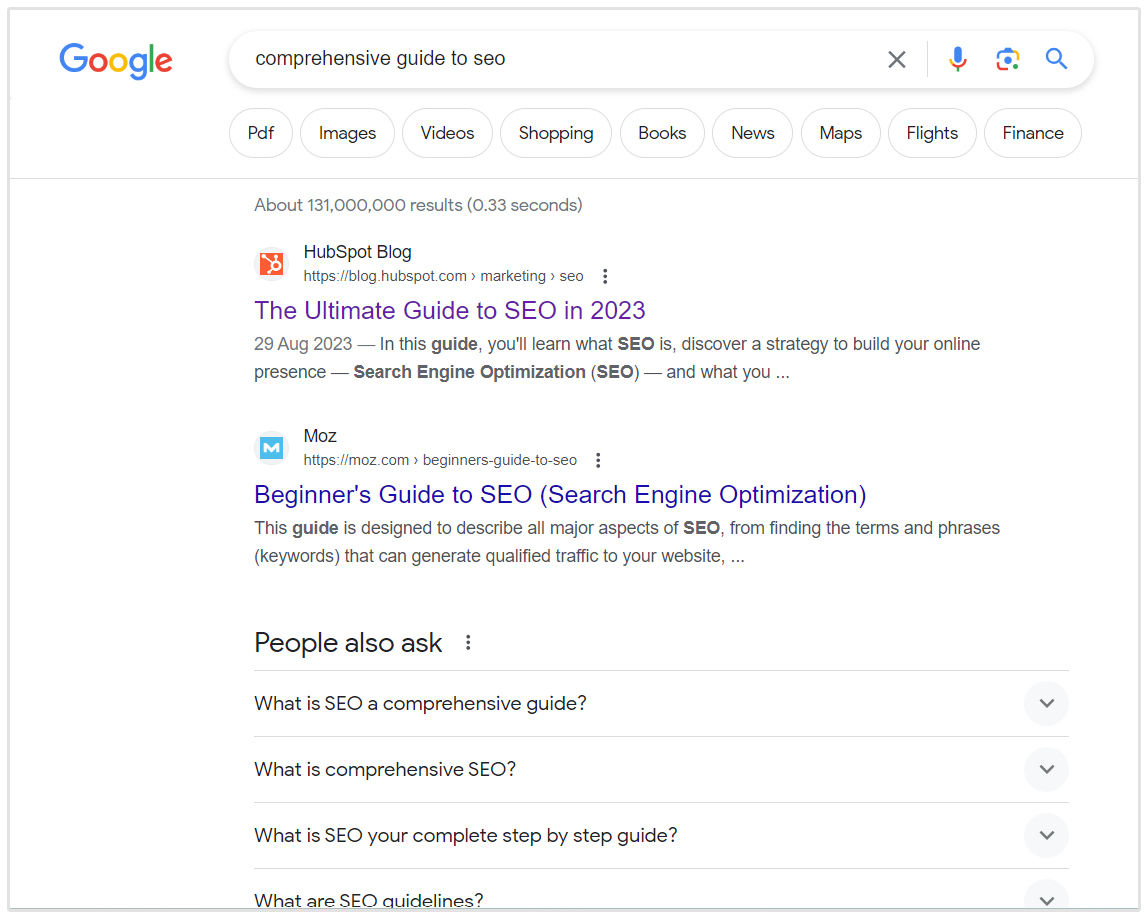
I saw "What's the very best social networks scheduler?" asked 47 times throughout Reddit, Quora, and Facebook groups in one week. That became my target topic. Don't reinvent the wheel. Google already informed you what worksit's ranking on web page one. What are they missing? What could be much more clear? What examples would certainly aid? Where did they skim over details? What concerns didn't they answer? Your web content needs to be than what's currently ranking.
So focus on the people. 100 words: State their issue + assure a solutionBad: "In this blog post, we'll check out ..."Good: "You're wasting 10 hours/week on social media. Here's exactly how to reduce that to 1 hour." No jargon. Short sentences. Basic words. Poor: "Utilize synergistic options ..."Great: "Usage devices that function with each other ..." Tell them specifically what to do nextBad: "Take into consideration implementing ..."Great: "Step 1: Click 'Setups'.
Compelling heading (make them click) 2. Detailed guide (main web content) 5. Following steps (keep them engaged) Arrange articles to 9 systems in simply 60 seconds This is the secret sauce.
Google Ranking Service For Startups
It's the actual factor somebody browsed for that term. Intent TypeWhat They WantContent FormatInformationalLearn how to do somethingHow-to overviews, tutorials, explanationsNavigationalFind a certain website/pageHomepage, login web page, particular toolCommercialCompare alternatives before buyingComparisons, evaluations, "best of" listsTransactionalBuy something right nowProduct pages, valuing pages, signup forms All listicles? They want step-by-step guides All product web pages?
Seek search phrases where smaller sized sites ranking. Creating 500 words when the topic requires 2,000. Google rates extensive material greater. Beat the ordinary word matter of top 3 results by 30%+. Leading 3 standard: 1,500 words Your target: 2,000+ words Don't add fluff. Add value. A lot more extensive more words. It implies responding to more concerns and offering even more depth.
Google measures "Core Web Vitals" (exactly how good your website feels to use). 65% of searches happen on phones. Link to 2-3 associated blog posts on your site.
Posting a post and never touching it once more. Google favors just recently upgraded content. Review your top messages every 3-6 months: Update statistics and instances Add brand-new sections Refresh the publish day Promote it once again on social media Establish a pointer to upgrade your ideal messages quarterly. Creating for Google's robots instead of human readers.
Google Ranking Service For Startups
Learn the fundamentals first (this overview provides you 90% of what you require). Hire an expert when you're making cash and wish to range much faster. Start with lower-competition key words. Target specific, long-tail phrases. It'll take longer than developed sites, but it functions. My very first rated message was on a 2-month-old website.
Pick a routine you can maintain (weekly, bi-weekly, regular monthly) and stick to it. You have the system. Currently carry out: Select ONE question your target market is asking Google it and research the top 3 results Synopsis just how you'll make yours 10x better Write your web content using the H.E.L.P. structure Run with the pre-publish list Publish and share Monitor your rankings in Google Look Console Update the article based upon what you find out Beginning your 2nd item of web content Ranking on Google isn't around video gaming the system.
Arrange blog posts to 9 systems in simply 60 seconds SEO isn't magic. It's simply understanding what people desire and offering it to them better than anyone else.
Google Ranking Service For Startups
Navigating the complexities of Google's search formulas is key to placing on the very first page of Google. The online search engine uses a combination of formulas and many ranking aspects to establish the importance and authority of website. Key words and search intent play a critical duty in this process. By understanding the particular terms users browse for and the intent behind their searches, you can tailor your web content to fulfill these demands, boosting your opportunities of rating higher.
Objective to pick keyword phrases that have a high search volume however reduced competition. This balance enhances your chances of placing greater in the search results pages. Rather of an extremely competitive keyword phrase like "bakeshop," target much more specific ones like "artisan bakeshop in Brooklyn" or "organic sourdough bread." Integrate your target search phrase into the meta summary, title, headings and main web content of each web page.
The much better you can develop fresh and brand-new web content, the less complicated it is to get back links, which equates into more traffic and potentially far better search rankings. Both top quality and quantity matter in content.

Navigation
Latest Posts
Google Ranking Service For Startups
Google Ranking Service For Startups
Google Ranking Service For Startups